
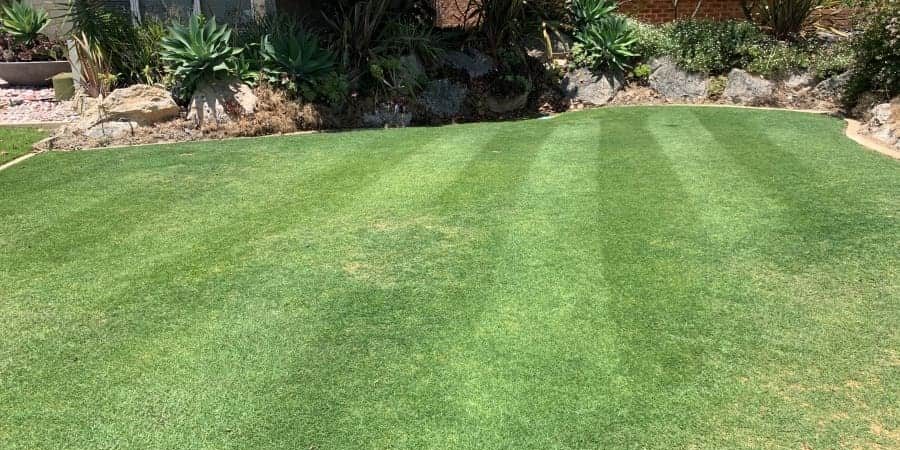
If your lawn looks more like a patchy doormat than a lush green carpet, you’re not alone.
Many Perth homeowners end up in the same boat.
They water faithfully, mow regularly, and even feed it with the “good” fertiliser. Yet, the grass still gives up.
So what’s really going on?
Perth lawns face their own set of challenges, and it’s not always just about the heat.
The good news is that most of the reasons lawns die here can be fixed. You just need to know where to look (and what not to do).
1. The Soil Is Not Doing Its Job
Let’s start with the obvious culprit – the sandy soils of Perth. They drain faster than you can say “retic system,” which means the roots of your grass often go thirsty no matter how much you water.
In coastal suburbs like Scarborough, Cottesloe, or Hillarys, the soil is often so sandy that it can’t hold nutrients for more than a few hours. That’s a problem because lawns need moisture and minerals to grow properly.
This is how you should fix it:
Remember, you will want to build the soil, not just water it. That means:
- Mixing in compost or soil conditioner before laying new turf
- Top-dressing with a wetting agent and organic matter a few times a year
- Using a soil wetter in summer, especially if the water just sits on top and refuses to soak in.
A professional landscaper in Perth will often test the soil before replanting or renovating a lawn. It’s the best way to stop the same issues from coming back.
2. You’re Watering Wrong
Yes, Perth’s watering days are restricted, and yes, it’s easy to forget which days are yours. But even if you’re sticking to the schedule, how you water can make all the difference.
If you’re watering for 10 minutes every few days, your lawn’s roots are likely staying shallow. Shallow roots dry out fast, especially when the Fremantle Doctor kicks up and wicks away surface moisture.
So how do you fix it? Water deeply, less often. Let the moisture sink down where the roots actually live. And if you notice dry patches even after watering, check your sprinkler coverage. Most reticulation systems in older Perth homes have uneven spray zones.
You can also call in a landscaping maintenance team to audit your retic system. Sometimes one misaligned nozzle is all it takes to kill a patch.
3. Choosing the Right Lawn
Here’s something many Perth homeowners don’t realise: not every lawn variety can handle local conditions. The mix of hot summers, coastal winds, and sandy soils makes it tough for certain grasses to thrive here.
Cool-season lawns like Ryegrass or Fescue often look lush in the cooler months, but as soon as the real summer heat hits, they start to fade and struggle to recover. On the other hand, warm-season varieties such as Couch, Buffalo, and Zoysia are far better suited to Perth’s long, dry summers.
What You Can Do
If your lawn keeps looking patchy or worn out no matter how much you water or fertilise, the problem might not be your care but maybe because you have the wrong grass for Perth’s climate. Some varieties simply can’t handle the heat, sandy soil, or lack of rain.
It’s worth considering those types that can actually thrive in Perth. A few of the most reliable options are the following:
- Buffalo (Sir Walter or Palmetto): Great if you’ve got some shade around. It feels soft to walk on and holds up well with kids or pets running around.
- Zoysia: Takes its time to fill in, but once it’s established, it barely needs attention and stays green with very little fuss.
Local landscapers often suggest these varieties because they match Perth’s conditions, where there is plenty of sun, warm weather, and sandy ground. Getting the right lawn from the start saves you time, water, and frustration later on, and keeps your garden looking fresh year-round.
4. The Heat Is Relentless
Perth’s summers can be brutal. Weeks above 35°C are normal, and even the best lawns cannot handle that without stress. Combine that with hot easterly winds, and you’ve got a recipe for brown patches.
Lawns in full afternoon sun (especially those facing west) take the biggest hit. Some homeowners try to fix this with more water. However, that often leads to fungus and shallow roots.
So, this is how you should fix it: Provide shade where you can. Trees, pergolas, or even shade sails can reduce heat stress dramatically. And keep mowing height a bit higher in summer; longer grass blades protect the soil from direct sun.
Also, don’t fertilise during a heatwave. It’s like feeding a marathon runner halfway through the race and will just makes things worse.
5. You’re Feeding It Like It’s a Houseplant
Lawns are hungry. They need nitrogen, potassium, and a good dose of iron to stay green. But too many homeowners either underfeed or overdo it.
Too much fertiliser burns the roots. Too little, and the grass starves. Cheap fertilisers often give a quick green-up, then vanish within weeks.
The best thing to do is to stick to slow-release fertilisers, ideally made for WA conditions. They feed gradually over months instead of flooding the soil all at once. And time your feeds right. This means once in early spring, again in mid-summer, and finally in autumn before it cools down.
For coastal gardens in Perth, using a fertiliser that’s low in phosphorus helps protect the Swan River system too. It’s a win-win: greener lawn, cleaner waterways.
6. Shade and Tree Competition
That shady spot under the gum tree where grass refuses to grow? It’s not your fault. Grass and trees fight for the same things: light, nutrients, and water. Oftentimes, the trees end up winning!
In older Perth suburbs like Floreat or Nedlands, mature trees can make growing a thick lawn almost impossible in certain areas.
Fix it:
You can either thin out the canopy to let more light in or replace grass with shade-loving plants or groundcovers. Think mondo grass, liriope, or native violets. A clever landscaper can blend these into the design so it still looks neat and intentional, not like a bald patch that got ignored.
7. Compacted Soil and Foot Traffic
If your lawn doubles as a cricket pitch or dog playground, compaction is probably killing it. This is the soil that’s been walked on too much and squeezes out air pockets and blocks roots from breathing.
Here’s how you can fix it: Aerate once or twice a year. It’s a simple process. You simply punch holes into the lawn so air and water can get through. You can hire an aerator, but many Perth landscaping teams offer it as part of seasonal maintenance.
Top-dressing afterwards with a sandy mix helps level the surface and improve drainage, especially if you’ve got kids or pets running over it daily.
8. Pests and Diseases
Not all lawn damage comes from being neglected. Perth lawns can get hit by armyworms, lawn beetles, or fungal diseases that spread fast once the weather warms up.
If you notice bite marks, thinning patches, or soft spots, don’t just dump more water or fertiliser. You could be feeding the problem.
Instead, do the following:
- Check under the soil for grubs or larvae
- Watch for tiny moths flying around at dusk (a sign of armyworm)
- Treat early, before the infestation spreads
Some homeowners mistake fungus for drought damage, especially after humid days followed by hot sun. A landscaper familiar with Perth lawns can tell the difference quickly and treat it before it ruins the whole yard.
9. Reticulation Issues
A dodgy retic system can undo months of effort. Blocked drippers, misaligned sprays, or broken solenoids often lead to uneven watering, which may eventually result in uneven lawns.
So, run your retic manually every few weeks and watch what it’s doing. You might be surprised how many heads are blocked or pointing at the fence instead of the grass.
If you’re not confident adjusting it yourself, it’s worth having a Perth landscaping or irrigation specialist give it a tune-up. They will set the system to work efficiently within the local watering days and pressure limits.
10. It May Be Time to Start Again
Here’s the truth no one wants to hear: some lawns are past saving. If the soil’s poor, the grass type’s wrong, and the retic’s a mess, it might be cheaper (and smarter) to rip it out and start fresh.
A professional landscaper can assess what’s worth keeping and what’s not. Often, they will use the opportunity to redesign the whole area. Perhaps reduce the lawn size, add native garden beds, or install artificial turf in high-traffic spots.
Modern Perth garden design often focuses on lower-maintenance, water-wise landscapes that still look green and inviting. This is not about giving up on grass. Rather, it’s about making it work for Perth, not against it.
A Healthier Lawn Starts with the Right Advice
Most dying lawns can be brought back with a few smart changes. But if you’ve tried everything and it still looks like a dust bowl, it’s worth getting a landscaper to take a look. They can diagnose what’s really going on. Was it the soil, water, or something else? Then they can build a plan to fix it properly.
Because the truth is, a healthy lawn isn’t just about looks. It keeps your garden cooler, reduces dust, and ties your whole outdoor space together. And in a city like Perth, where outdoor living is practically a way of life, that’s something worth getting right.